Kevin Hayward
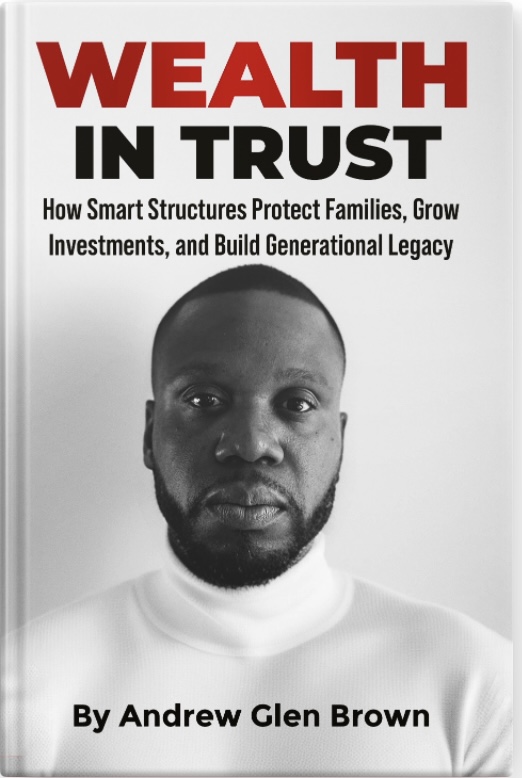
In a world where fortunes can be built quickly and lost just as fast Andrew Glen Brown’s Wealth in Trust: How Smart Structures Protect arrives as both a strategic guide and a philosophical call to action. Written by the CEO of London Bradley Enterprises, the book demystifies one of the most powerful yet misunderstood financial tools available today: the trust.
Far from positioning trusts as exclusive instruments for the ultra-wealthy, Brown reframes them as accessible, intentional structures that everyday individuals, families, and business owners can use to protect assets, minimize risk and preserve legacy. With clarity and practicality, Wealth in Trust bridges the gap between complex legal frameworks and real world application, empowering readers to move beyond earning income toward structuring wealth intelligently.
Moving From Income to Infrastructure
One of the central themes of Wealth in Trust is the mindset shift from accumulation to protection. Brown challenges readers to rethink their relationship with money not as something to simply earn and spend, but as something to build systems around. Income, he argues, is temporary. Structure is permanent. This shift is especially important in a modern financial landscape marked by economic volatility, rising litigation risks and complex tax regulations. Without proper planning, even substantial wealth can erode through probate delays, creditor claims, unnecessary taxation and preventable disputes among heirs.
Brown positions trusts as financial infrastructure legal frameworks that hold, manage, and distribute assets according to clearly defined rules. Rather than relying on informal intentions or basic wills, readers are encouraged to adopt proactive systems that reduce uncertainty and create stability.
Breaking Down the Types of Trusts
A key strength of the book lies in its clear, chapter by chapter breakdown of various trust structures. Brown explores revocable trusts, irrevocable trusts, living trusts, asset protection trusts, charitable trusts, and generational trusts, explaining how each functions and when it may be appropriate. Revocable trusts for example offer flexibility during a person’s lifetime, allowing assets to be managed efficiently while avoiding probate. Irrevocable trusts on the other hand provide stronger asset protection and potential tax advantages by removing assets from the individual’s estate.
Living trusts are highlighted for their practical role in maintaining continuity in the event of incapacity, ensuring that families are not left navigating legal complications during already difficult times. Asset protection trusts are discussed as shields against lawsuits and creditor claims particularly valuable for business owners and professionals exposed to liability risks. Charitable trusts and generational trusts expand the conversation beyond personal wealth preservation, emphasizing long term impact. Brown illustrates how these structures can support philanthropic goals while simultaneously strengthening tax efficiency and preserving wealth across multiple generations.
Each explanation is supported by relatable examples and practical scenarios, making sophisticated legal concepts approachable for readers who may have previously found estate planning intimidating or overwhelming.
Protecting More Than Money
While the mechanics of trusts are thoroughly explained, Wealth in Trust goes beyond technical instruction. Brown weaves in a deeper message about legacy and responsibility. True wealth, he argues, is not defined solely by financial net worth, but by preparation, protection and purpose.
The book underscores how poor planning or lack of planning can create conflict within families. Probate disputes, unclear intentions and unmanaged inheritances often lead to fractured relationships and rapid depletion of assets. Trust planning, when done thoughtfully, can reduce ambiguity, preserve harmony, and ensure that wealth supports rather than divides future generations. Brown emphasizes that structured planning can empower children and grandchildren rather than enable dependency. By setting conditions, timelines, and guidelines within a trust, families can encourage education, entrepreneurship and responsible stewardship. Wealth becomes a tool for opportunity rather than a source of instability.
A Practical Call to Action
What sets Wealth in Trust apart is its tone. Rather than presenting estate planning as a distant concern for later in life, Brown positions it as an immediate responsibility. Whether someone owns a small business, real estate, investments, or simply wants to protect family assets, the message is clear: waiting increases risk. The book encourages readers to consult qualified legal and financial professionals to design structures tailored to their unique circumstances. It does not offer one size fits all solutions, but instead provides a framework for asking the right questions and making informed decisions.
Brown’s background as a business leader adds credibility and practical insight. His experience navigating corporate structures and wealth management informs the book’s accessible yet authoritative style. The result is a guide that feels both strategic and personal.

Building Systems That Outlive You
At its core, Wealth in Trust is about permanence. Income may fluctuate. Markets may rise and fall. But well designed structures endure. Brown invites readers to think in decades, not quarters to consider how today’s decisions shape tomorrow’s outcomes.
In an era where financial education is often fragmented and reactive, this book offers a comprehensive perspective on proactive wealth design. It challenges individuals to stop leaving their legacy to chance and instead build intentional systems that protect what they have worked so hard to create. For entrepreneurs, professionals, parents and investors alike, Wealth in Trust serves as both a practical manual and a philosophical reminder: earning money is only the beginning. Protecting it and ensuring it serves a purpose beyond one lifetime is the true measure of financial wisdom.
With clarity, conviction and actionable insight, Andrew Glen Brown delivers a compelling argument for structured legacy planning. Wealth in Trust stands as an essential read for anyone serious about safeguarding their assets and securing generational stability in an uncertain world.
Book link: https://www.amazon.com/dp/B0GHDXNFQK