Kevin Hayward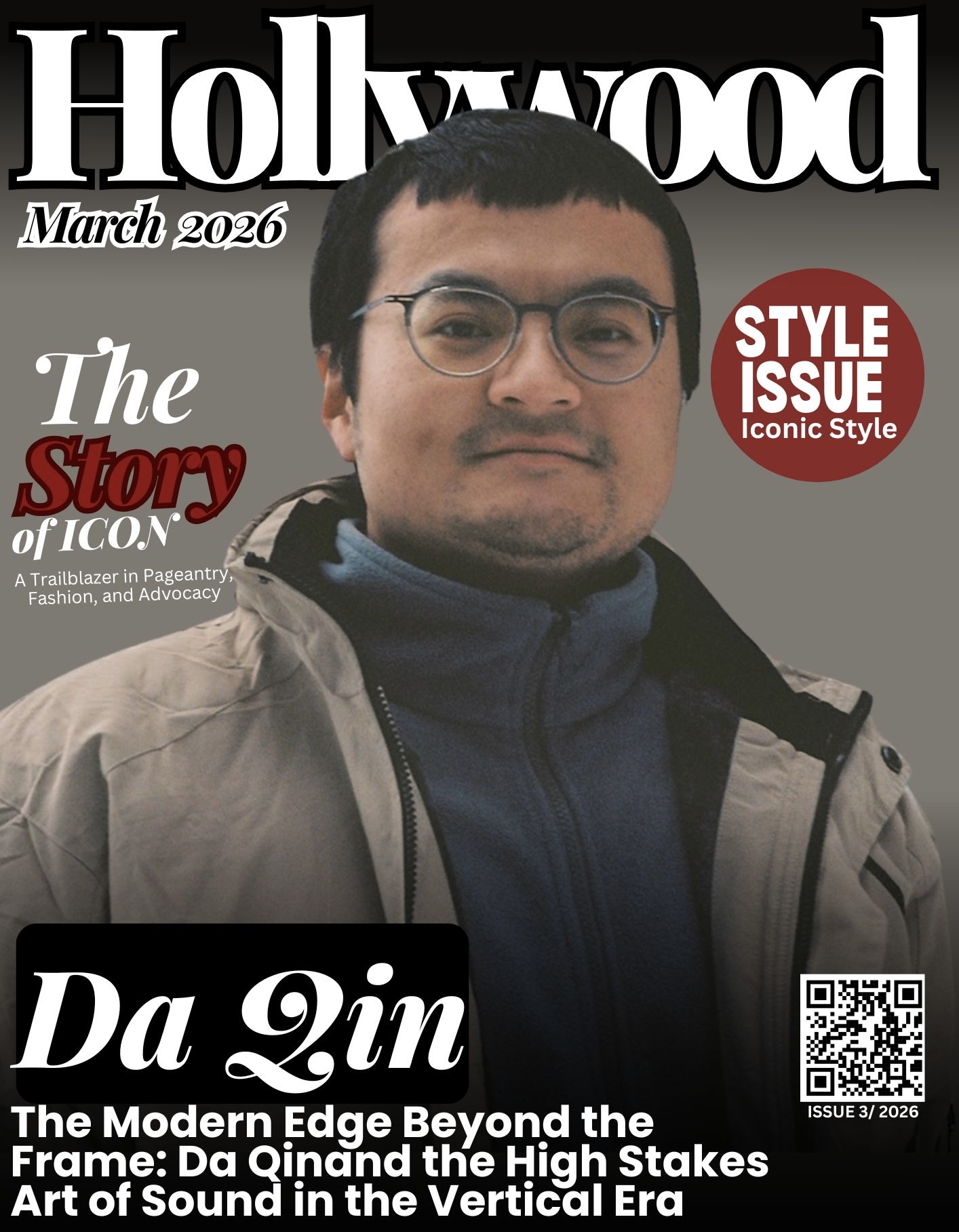
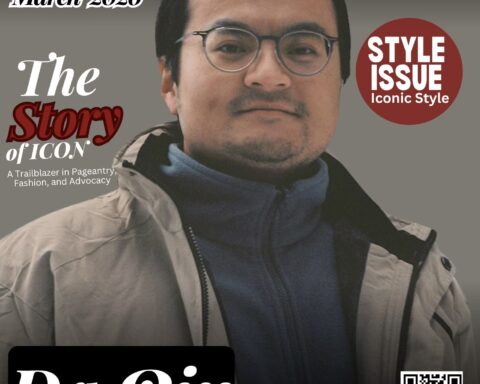
In the high-stakes world of modern filmmaking, the visual usually takes center stage—a symphony of lights, actors, and monitors. Yet, in the narrow, focused world of vertical cinema, it is the sound that carries the weight of the world existing outside the frame. Da Qin operates in this invisible space, a master of the subtle frequencies that most listeners overlook. He does not simply record audio; he crafts a meticulously layered sonic landscape where the delicate balance of sound and emotion creates a connection that transcends the limitations of the screen.
For this Los Angeles-based sound mixer, listening has evolved from a technical necessity into a high art form. Over recent years, Da Qin has become a foundational figure in a variety of high-end productions, particularly within the rapid expansion of the vertical drama genre. As storytelling migrates to smartphones, the requirements placed on sound professionals have transformed. Da Qin stands as a representative of this shift, bridging the gap between independent short films and viral digital series that command audiences in the hundreds of millions.
A search for a perfect creative fit characterized Da Qin’s path to the sound board. Initially enrolling in film school at Loyola Marymount University with the intent to direct, he spent his early days exploring the mechanics of the set, working in the art department, and as a cinematographer. While these roles provided a comprehensive understanding of the logistical machine of production, they functioned primarily as a prelude to his discovery of audio.
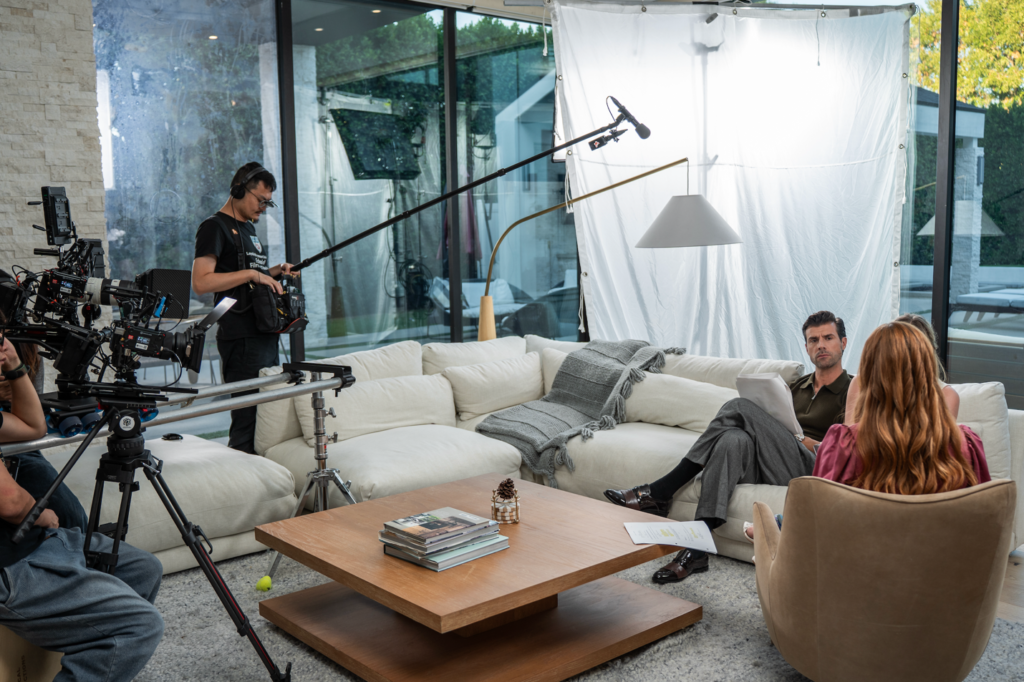
The turning point occurred during an exterior shoot at a skate park near LAX. Using a professional audio recorder for the first time, Da Qin realized that the mundane environment was, in fact, a complex, multi-layered experience. Pointed toward the nearby road, the roar of traffic became a crushing wall of sound; lowered to the pavement, the percussive crack of skateboards hitting concrete cut through the air; panned toward the sky, the low-frequency rumble of departing planes filled the headphones. Through the recorder’s preamp, he discovered that his task was not merely to document a conversation, but to preserve a living sonic space.
Da Qin’s transition from student to professional was punctuated by immediate critical recognition. While his early work as a director and producer on Passive Voice (2019) earned an Honorable Mention at the Santa Monica Film Festival 2020, it was his mastery of sound that solidified his reputation on the international stage.
His contribution to The Master: Last Show (2019) served as a masterclass in sonic tension, earning a Golden Angel Award Nomination at the Chinese American Film Festival and a Festival Award Nomination at the prestigious Flickers’ Rhode Island International Film Festival. The project eventually secured the Winner’s trophy for Best Sci-Fi Short at the 2021 Vancouver International Film Festival. Continuing this momentum, his work on Snow Whisper (2023) earned a Festival Award Nomination at the CINEQUEST Film Festival 2025, and his expertise in the documentary space was recognized with a Best Short Documentary nomination at the ARTiFACT Festival 2025 for The Soul of Oakland.
By 2024, Da Qin was the top expert in vertical drama, a format made for mobile-first, high-engagement viewing. These productions operate under intense time constraints, demanding a sound mixer who can deliver pristine, effective audio without the luxury of long post-production cycles.

His resume in this space is staggering. He provided the sonic backbone for Mommy Don’t Cry, Daddy Is Sorry, a project that garnered over 214 million views, and The Lost Quarterback Returns, which reached 120 million. His leadership on the sound team for Fired, Framed & Fierce contributed to a cumulative 40 million views, proving that even on a smartphone screen, high-fidelity audio is the key to viral success.
His technical strategy often involves a sophisticated defiance of conventional wisdom. To account for the volatile vocal intensity of vertical dramas—where an actor may jump from a whisper to a scream in a single breath, Da Qin uses a higher recording gain than typically recommended. This ensures that every line of dialogue contains enough digital information to be meticulously adjusted later. His work on The Lost Quarterback Returns showcased this precision; during a high-decibel fire scene, he balanced explosive, antagonistic dialogue with the lead’s deep, resonant tones, ensuring the emotional confrontation remained clear and impactful.
Today, Da Qin’s expertise extends to major network features, including on-location sound mixing for Lifetime feature/showfeature film Eric Jerome Dickey’s Friends and Lovers II. Whether he is collaborating with global brands like HI-CHEW and Korea Ginseng Group or capturing the intimacy of a Lifetime feature, his approach remains rooted in the collaborative spirit.
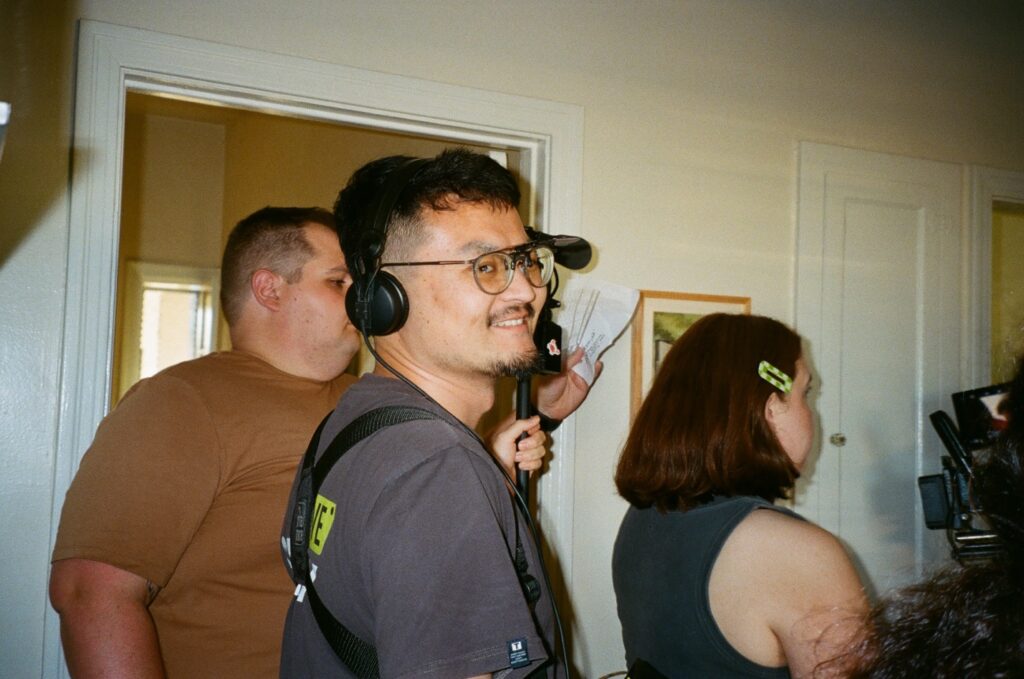
Da Qin views the integration of new technologies, including artificial intelligence, as a tool for creative expansion. For him, AI-assisted tools in post-production allow a mixer to focus more on the emotional “texture” of a scene during the shoot, knowing that technical imperfections can be polished with surgical precision later.
Focused on the future, Da Qin aims to establish a dedicated sound team and studio to further elevate audio standards within digital storytelling. As an expert in his field, he views each project as a meaningful opportunity to refine the art of narrative. While he stays at the forefront of evolving industry technology, his mission remains clear and consistent: bringing the unspoken emotions of a story to life through masterful sound design.
To follow Da Qin’s latest projects and full filmography, visit his official IMDb profile.