 David Meltzer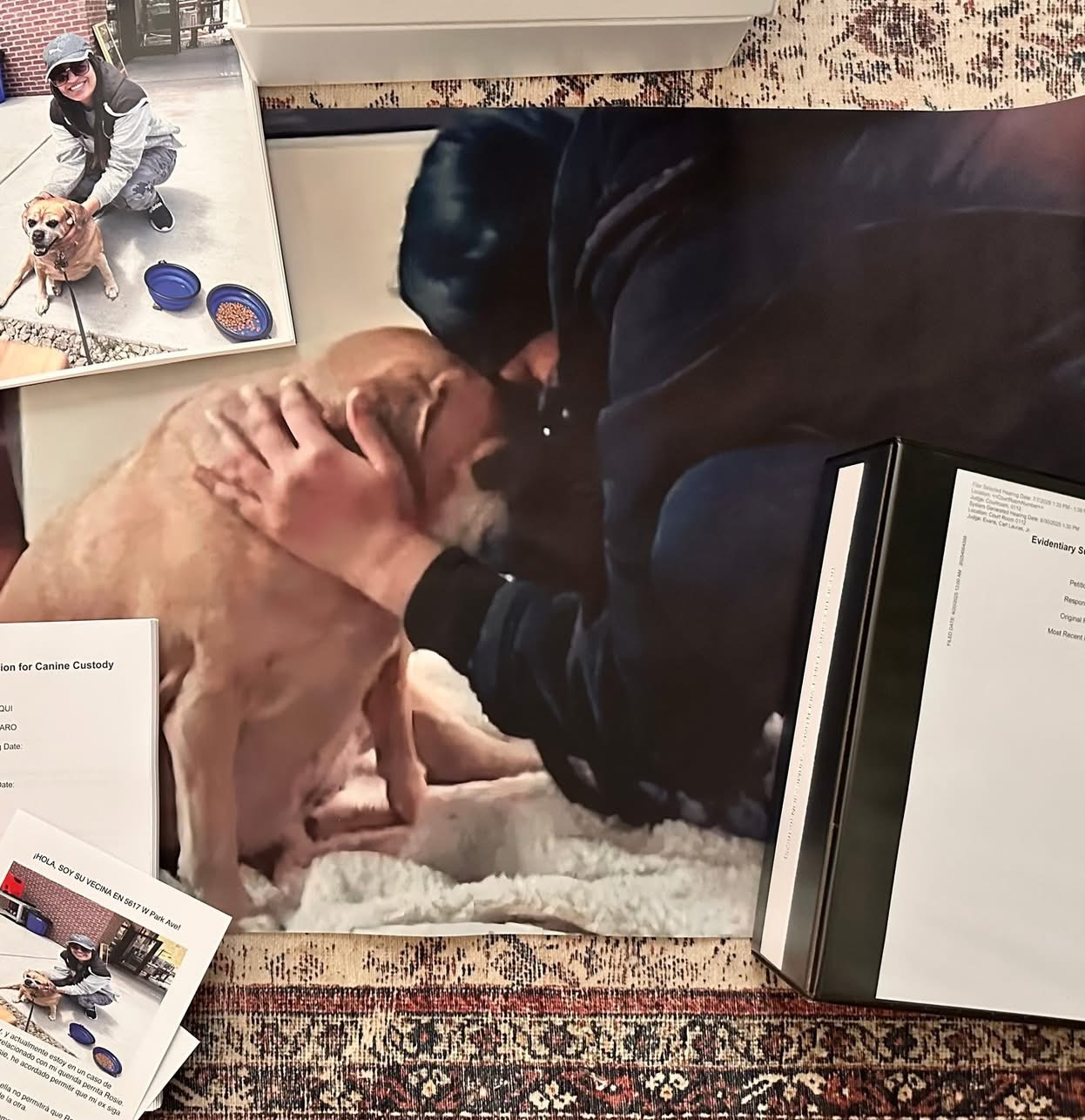
When we talk about family, pets are often at the center of that definition. They’re not just animals — they’re companions, emotional anchors, and, for many people, chosen family. Yet in the eyes of the law, pets continue to be treated as property. And as one Illinois woman recently learned, that classification can carry devastating consequences.
Her story begins with Rosie — a sweet, energetic Puggle who had been her closest companion for more than seven years. She raised Rosie, trained her, paid for her medical care, and documented every stage of her growth. To her, Rosie was not “a pet.” She was family.
But when her engagement ended, she discovered a painful truth: because she and her partner were not legally married, the state of Illinois did not recognize her right to even argue for custody of the dog she had cared for every day.
Under Illinois law, pet-custody considerations — meaning a court can consider what is best for the animal — apply only to married couples going through divorce. Unmarried partners, even those who have spent years sharing responsibility, love, and daily care, are excluded entirely. Instead, the pet is treated as a piece of property, no different from a lamp or a sofa.
In her case, her ex-fiancé — who was not Rosie’s legal owner — was allowed to keep the dog. The justification? Rosie had been brought into the relationship by that partner after being taken from a previous one. Despite years of documented caregiving, the law viewed her as having no rights to the animal she considered her own child.
What makes the situation even more troubling is that Rosie suffers from severe separation anxiety. She depended on her primary caregiver for emotional stability — something any behavioral specialist could attest to. Yet the court declined to consider Rosie’s psychological well- being. For those who understand animal behavior, this wasn’t just a legal oversight; it was an act of harm.
Research consistently shows that pets experience emotional distress, grief, and attachment in ways that parallel human bonds. Losing a primary caregiver can lead to anxiety, depression, and even physical symptoms.
Although a few states — including California, Alaska, and Illinois (but only for married couples) — have introduced pet-custody laws that consider an animal’s best interest, the majority of the country still lags behind. And even in Illinois, the law excludes a growing number of families who build their lives together without formal marriage.
This gap must be addressed. In a society where people are delaying marriage or choosing not to marry at all, laws built around outdated family structures fail to recognize modern relationships — and leave countless animals vulnerable.
Rosie’s story is not unique. It mirrors the experiences of countless pet guardians across the country who have lost their animals not because they were unfit, but because the law refused to acknowledge the depth and legitimacy of their bond.
Her hope in sharing this deeply personal experience is to raise awareness and spark legislative reform. Pets deserve to have their welfare considered in every custody case, regardless of marital status. They are living beings, not property.
More about her story and ongoing advocacy can be found here: http://www.facebook.com/tameer
Every share, every conversation, and every voice helps move the country closer to a future where animals are recognized as family in the eyes of the law. Rosie’s situation may not be reversible — but meaningful change is possible.
It’s time for the U.S. to rethink its pet custody laws. Pets deserve far better.
Sign the petition to support this cause: https://www.change.org/justice-for-rosie